
Fall is a useful time to inspect your home's exterior. Summer storms have exposed weak points, and there may still be suitable repair weather before Western Pennsylvania's freezes and thaws.
The goal is to identify visible trouble, prevent avoidable water entry, and give a contractor a clear list—not to diagnose hidden conditions yourself. Stay at ground level or on surfaces you know are safe.
Start With a Safe Ground-Level Walkaround
Walk around the house in daylight with your phone and binoculars if available. Take one wide photo of each wall, then close-ups of changes. Check again from the ground during or after steady rain, when active water paths are easier to understand.
Look for:
- Water spilling over gutter edges or escaping at seams
- Downspouts that are disconnected, crushed, or emptying beside the foundation
- Soil erosion, standing water, or splash marks near the house
- Gaps around exterior doors, cracked caulk, and soft or discolored trim
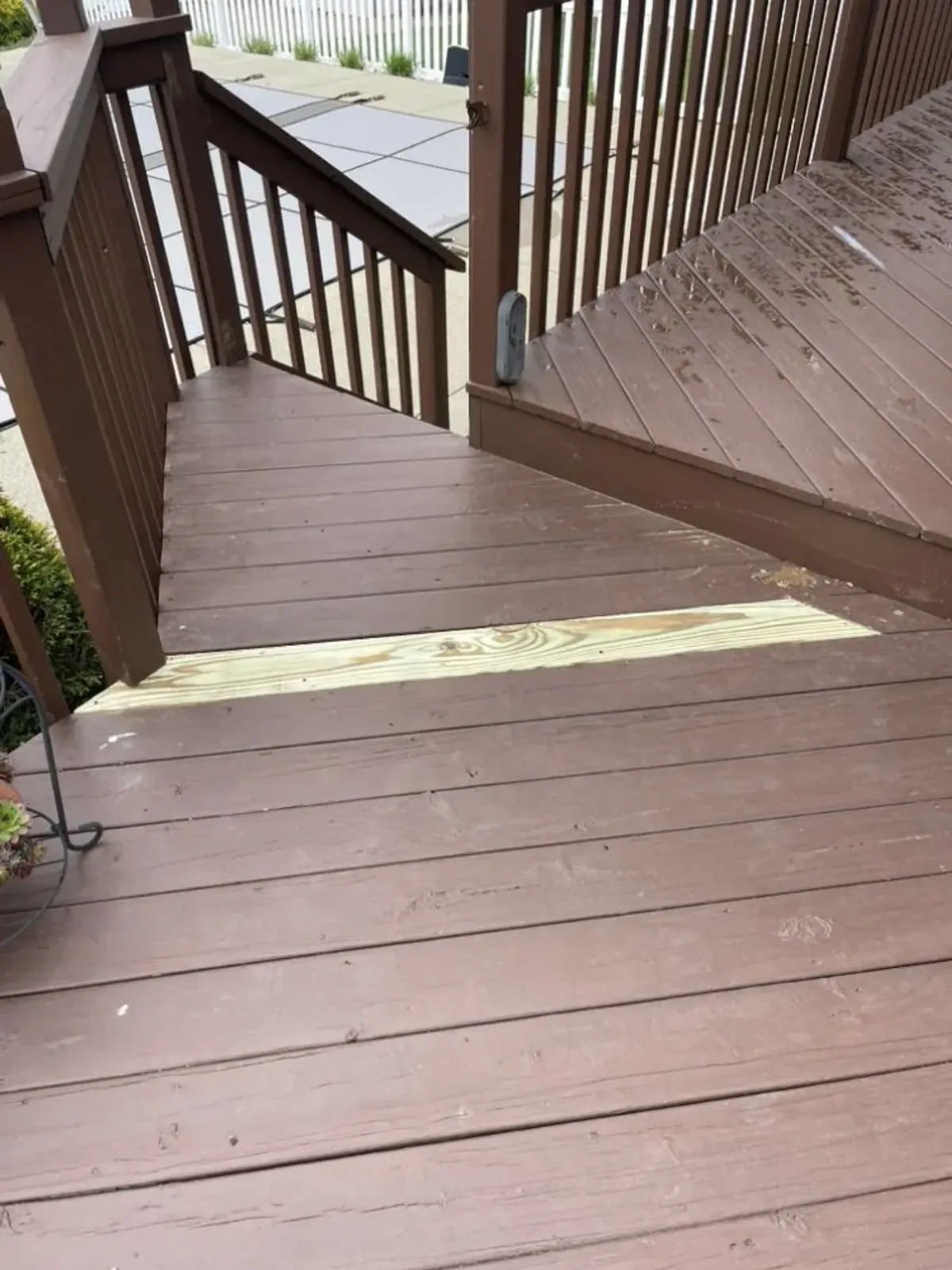
- Loose deck boards, damaged stair parts, and railings that visibly lean
- Siding that is loose, cracked, bowed, stained, or missing
- Peeling paint, swollen wood, dark streaks, or recurring damp spots
Do not climb onto the roof, use a ladder at questionable gutters, or reach over a railing. Never “test” a suspect deck by bouncing or adding weight. Keep people away from anything that appears unstable.
Fix Before Freezing
These are active water-entry problems, immediate safety concerns, and small openings that can become larger as trapped moisture freezes.
Correct obvious roof-drainage failures. From the ground, watch where gutter water goes. Overflow may indicate a clog, poor pitch, or damage, but the cause should be confirmed safely. Reconnect accessible downspout extensions and direct discharge away from the foundation along a clear path to a suitable lower outlet.
Address water flowing toward the foundation. Ponding, erosion channels, and repeated mud splash beside the wall deserve attention. Do not redirect runoff toward a neighbor, walkway, septic component, or another part of the house.
Close exterior openings around doors and trim. Look for missing weatherstripping, daylight around a closed door, loose threshold parts, and failed joints. Soft or crumbling trim needs more than caulk; address the damaged material and moisture source. Our guide to rotted door frame repair or replacement explains when a localized repair may be enough.
Isolate visible deck and stair hazards. Missing boards, split treads, open holes, detached connections, and leaning guards should not wait. Block access instead of testing them. See deck repair versus deck replacement or our deck building and repair service.
Stop active water entry. Fresh interior staining after rain, damp material visible from a safe location, or water entering around a door requires prompt attention. Drying or repainting the surface does not correct the exterior path.
Schedule Soon
These items may not be emergencies, but fall is the time to put them on the repair calendar.
Repair deteriorating trim. Peeling coatings, open end grain, minor splits, and isolated soft areas can worsen through freeze-thaw cycles. Repair may require correcting the water path, replacing damaged material, then priming and finishing exposed surfaces.
Restore door operation and weather protection. A dragging door, unreliable latch, or uneven perimeter gap may need adjustment. Worn sweeps and compressed weatherstripping are often manageable; persistent misalignment, sill decay, or frame movement needs evaluation.
Plan deck repairs. From a safe standing position, note raised fasteners, deteriorated boards, rust-stained hardware, damaged stair nosings, or changed railing alignment. Do not crawl under a questionable structure or pry at parts. A handyman repair may suit limited nonstructural work; concerns at posts, beams, stairs, or the house connection need a deck professional.
Secure damaged siding. Loose panels and cracks can admit wind-driven rain. Staining below a joint, window, or roof intersection may trace to water behind the surface. Reattaching siding without finding the source can conceal continuing damage.
Monitor and Document
Record lower-priority conditions so you can tell whether they are stable or changing.
- Photograph dry hairline caulk cracks and compare them after winter.
- Date photos of old interior stains; investigate growth or new dampness.
- Note paint wear on otherwise firm trim for spring coating.
- Watch shallow puddles that drain after rain, especially if they last longer.
- Compare siding waves or discoloration from the same angle.
- List worn deck or stair surfaces without probing, loading, or dismantling them.
Include the location, recent weather, whether the area was wet, and a contextual photo. Monitor only when there is no active leak, instability, or rapid deterioration.
Use Sealant Without Trapping Water
Use a compatible product only on a clean, dry, properly prepared surface. Follow its label for application temperature, rain exposure, and cure time; a warm afternoon is not enough if the temperature will fall below requirements before curing.
Never seal intentional drainage openings. Weep holes, flashing gaps, and drainage paths at the bottom of siding or door assemblies must remain open. If a gap's purpose is unclear, photograph it and wait for a qualified professional to identify it.
Sealant cannot restore rot, stabilize a railing, or fix faulty flashing. Correct the failed material or water path first, then seal and finish the repair as required.
Know the DIY Boundary
Documentation, accessible weatherstripping, and simple ground-level downspout-extension adjustments are often reasonable DIY tasks. Resealing an accessible cosmetic joint may be, too, when its purpose and product compatibility are clear.
Schedule help for work involving height, structural deck parts, hidden water damage, electrical equipment, extensive decay, or uncertain drainage. Step back whenever access requires a ladder, roof work, or a questionable deck. Hammer Home Services' handyman team can help with a mixed exterior repair list.
Fall Exterior Maintenance FAQ
When should I do a fall exterior inspection in Western Pennsylvania?
Start early enough to leave repair and product-curing time. A second ground-level check during steady rain can reveal overflow, poor downspout discharge, and active leaks.
Should I clean my own gutters?
Only if they are accessible without unsafe ladder or roof work. Observe overflow, disconnected parts, and discharge from the ground, then hire an equipped professional for work at height.
Can I caulk over a cracked or rotted door frame?
Caulk can close a prepared joint, but cannot rebuild decay or stop water from failed flashing. Identify the damage and moisture source first.
What deck warning signs should not wait?
Keep people off areas with broken boards or treads, open holes, separated connections, or a visibly leaning railing. Do not load-test them; arrange an assessment.
What should I include when requesting exterior repairs?
Send wide and close-up photos, identify each location, describe what happens during rain, and list repairs by urgency. Note blocked-off areas. To prioritize work before winter, contact Hammer Home Services with your photos and repair list.